




















































Nigeria’s political story is often told through elections, scandals, government announcements, and breaking news headlines. Yet beneath those daily events lies a deeper conversation about power, democracy, identity, leadership, economics, and the future of the nation. That conversation is carried forward by a group of writers, scholars, journalists, activists, and public thinkers whose essays do more than report events. They interpret them.
For readers who want to move beyond social media debates and gain a richer understanding of Nigeria, these public intellectuals offer some of the most insightful analyses available. Their writings explain not only what is happening but why it is happening, where it came from, and what it means for the future.
From Nobel laureates and professors to veteran journalists and policy experts, these twenty-five thinkers have shaped public discourse through books, newspaper columns, essays, research papers, and civic interventions.
25 Nigerian Public Intellectuals You Should Read
-
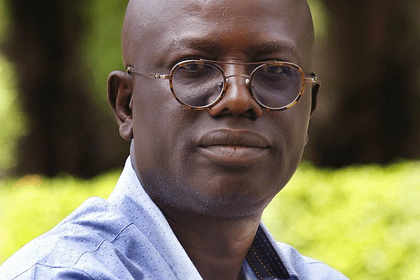
Olusegun Adeniyi
Widely regarded as one of Nigeria’s finest contemporary political journalists, Olusegun Adeniyi has built a reputation for combining investigative rigor with historical depth. As Chairman of the Editorial Board of ThisDay newspapers and author of the influential weekly column The Verdict, he occupies a unique position at the intersection of journalism and political history.
His books, including Against the Run of Play, Power, Politics and Death, and The Last 100 Days of Abacha, have become essential references for anyone studying modern Nigerian politics. Adeniyi’s writing stands out because it places current events within broader institutional and historical contexts, helping readers understand the forces that shape political decisions.
-
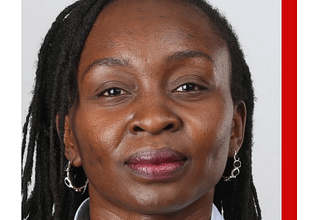
Ayisha Osori
Few books have exposed the realities of Nigerian electoral politics as candidly as Love Does Not Win Elections. Through this work and her numerous essays, Ayisha Osori provides a rare insider account of political participation, particularly for women navigating the country’s often exclusionary political structures.
As a lawyer, development strategist, and gender advocate, Osori focuses on electoral integrity, democratic representation, and constitutional reform. Her writing consistently challenges readers to examine how power is acquired, distributed, and protected within Nigeria’s political system.
-
Wole Soyinka
No list of Nigerian public intellectuals would be complete without Wole Soyinka. Since becoming Africa’s first Nobel Laureate in Literature in 1986, Soyinka has remained one of Nigeria’s most influential moral voices.
His essay collections, particularly The Open Sore of a Continent and InterInventions, examine authoritarianism, corruption, human rights abuses, and the failures of governance. Across decades of activism, imprisonment, and exile, Soyinka has consistently defended democratic values and challenged political excesses regardless of who occupies power.
-
Reuben Abati
Reuben Abati combines the perspective of a seasoned journalist with the experience of a former presidential spokesman. Having served in government and led major editorial platforms, he offers readers an insider’s understanding of political power.
His widely read essays dissect elite behavior, presidential politics, institutional weaknesses, and the contradictions that define contemporary Nigerian governance. Few commentators explain the psychology of power as effectively as Abati.
-
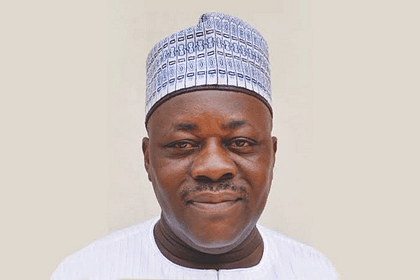
Jibrin Ibrahim
Professor Jibrin Ibrahim bridges academic scholarship and public engagement. His work through democratic institutions and policy organizations has made him one of the country’s most respected voices on governance and constitutionalism.
His essays frequently explore elections, federalism, ethnic politics, religious identities, and democratic development. Readers seeking data-driven political analysis consistently find value in his work.
-
Lasisi Olagunju
Lasisi Olagunju brings a literary elegance rarely found in political commentary. His columns combine history, biography, folklore, and cultural memory to create essays that are both intellectually stimulating and stylistically memorable.
Rather than merely criticizing government failures, Olagunju often situates contemporary events within centuries of historical experience, making his work particularly valuable for readers interested in long-term political patterns.
-
Pat Utomi
Pat Utomi has spent decades examining the relationship between leadership, economic development, and institutional capacity. As an economist, educator, and policy advocate, he argues that sustainable development depends on ethical leadership and strong institutions.
His essays focus on governance failures, human capital development, entrepreneurship, and the structural weaknesses that continue to hinder Nigeria’s economic transformation.
-
Kingsley Moghalu
Kingsley Moghalu brings international experience and economic expertise to Nigerian public discourse. His writing often explores how Nigeria fits within broader global political and economic systems.
Books such as Emerging Africa and Reclaiming Hope advocate structural reforms, innovation-driven growth, and institutional modernization. His essays challenge conventional thinking and encourage long-term strategic planning.
-
Bamidele Ademola-Olateju
Bamidele Ademola-Olateju combines grassroots awareness with policy expertise. Her writing frequently addresses governance failures, public accountability, youth empowerment, and social justice.
She is particularly known for connecting abstract policy decisions to their real-world consequences for ordinary Nigerians.
-
Ayo Obe
For decades, Ayo Obe has been one of Nigeria’s most respected voices on civil liberties and constitutional governance. Her essays focus on human rights, judicial accountability, electoral reforms, and the rule of law.
Her legal background gives her commentary a depth that helps readers understand both the spirit and practical implications of constitutional democracy.
-
Wale Adebanwi
As one of Africa’s leading scholars of politics and identity, Wale Adebanwi examines the structures that shape power relations in Nigerian society.
His research and essays explore ethnicity, media influence, elite competition, and the cultural foundations of political authority. Readers interested in political sociology will find his work particularly valuable.
-
Sam Omatseye
Known for his fiery prose and strong ideological convictions, Sam Omatseye approaches political commentary with the sensibility of both a journalist and a literary writer.
His essays often challenge dominant narratives, critique political actors, and provoke vigorous public debate.
-
Tunji Olaopa
Tunji Olaopa focuses on one of the least glamorous but most important aspects of governance: bureaucracy.
His writings explore civil service reforms, institutional effectiveness, policy implementation, and public sector modernization. He argues that even the best political ideas fail without competent institutions to execute them.
-
Omano Edigheji
Omano Edigheji’s work concentrates on the relationship between democracy and development. His essays frequently examine why electoral democracy has not consistently translated into improved living standards for many Nigerians.
Through evidence-based analysis, he advocates policies aimed at creating a genuine developmental state.
-
Farooq Kperogi
Farooq Kperogi is one of the most influential voices in Nigeria’s digital public sphere. His essays combine media criticism, linguistic analysis, and political commentary.
He is particularly known for exposing contradictions in political communication and examining how language shapes public perception.
-
Azuka Onwuka
Azuka Onwuka’s writing focuses on federalism, equity, national cohesion, and political inclusion. His essays consistently return to questions about how Nigeria can build a stronger and more equitable federation.
His clear and accessible style makes complex constitutional debates understandable to wider audiences.
-
Abimbola Adelakun
Abimbola Adelakun occupies a distinctive space within Nigerian commentary. She explores the intersections of religion, culture, politics, and gender with uncommon analytical depth.
Her essays challenge social assumptions and examine how belief systems influence governance and civic behavior.
-
Sonala Olumhense
Sonala Olumhense has built a reputation as a relentless watchdog of public accountability. His columns frequently revisit unresolved scandals, abandoned projects, and institutional failures that many would prefer forgotten.
His work serves as a reminder that democratic accountability requires public memory.
-
Simon Kolawole
Simon Kolawole is known for thoughtful, balanced, and solutions-oriented commentary. Through his columns and leadership of independent media, he promotes evidence-based discussions of governance and public policy.
His essays often seek practical answers rather than partisan victories.
-
Eniola Bello
Eniola Bello writes extensively about party politics, executive power, media independence, and elite competition. His work provides readers with a detailed understanding of how political influence is negotiated and exercised behind the scenes.
-
Festus Adedayo
Festus Adedayo combines historical knowledge, cultural literacy, and political analysis. His essays frequently examine morality, leadership, social values, and the ethical dimensions of governance.
His ability to draw lessons from history and culture gives his commentary a distinctive voice.
-
Okey Ndibe
Okey Ndibe writes with the narrative power of a novelist and the conviction of a civic advocate. His essays challenge corruption, injustice, and abuse of power while exploring questions of identity and citizenship.
His literary background allows him to connect political issues with deeply human stories.
-
Tolu Ogunlesi
Tolu Ogunlesi often focuses on implementation rather than ideology. His writing examines infrastructure projects, governance systems, digital transformation, and public policy outcomes.
His work is especially useful for readers interested in understanding how government initiatives translate into measurable results.
-
Feyi Fawehinmi
Feyi Fawehinmi specializes in economic history, fiscal policy, and development economics. His essays connect historical events with contemporary economic realities, helping readers understand how today’s challenges emerged.
His analytical style makes complex financial topics accessible without oversimplifying them.
-
Segun Awosanya
Popularly known as Segalink, Segun Awosanya has become a prominent advocate for civil liberties and institutional accountability. His work gained national attention through campaigns against police brutality and abuses of power.
His essays and public commentary focus on civic participation, transparency, security sector reforms, and the responsibilities of citizenship.
Why These Writers Matter
Nigeria’s public discourse is often dominated by headlines, political slogans, and social media arguments. The thinkers on this list provide something deeper. They offer context where others provide noise, analysis where others provide outrage, and historical perspective where others focus only on the present moment.
Together, they represent a broad spectrum of ideological positions, professional backgrounds, and intellectual traditions. Some approach problems as journalists, others as economists, lawyers, academics, activists, or former government officials. Yet they share a common commitment: helping Nigerians understand the forces shaping their society.
For writers, students, researchers, policymakers, and citizens interested in Nigeria’s future, following these intellectuals is one of the best ways to develop a more sophisticated understanding of politics, governance, democracy, economics, and public life. Their essays remind us that meaningful national conversations are built not merely on opinions, but on knowledge, evidence, memory, and critical thinking.